
Why Female Athletes Stop Getting Their Period (And Why It Matters)
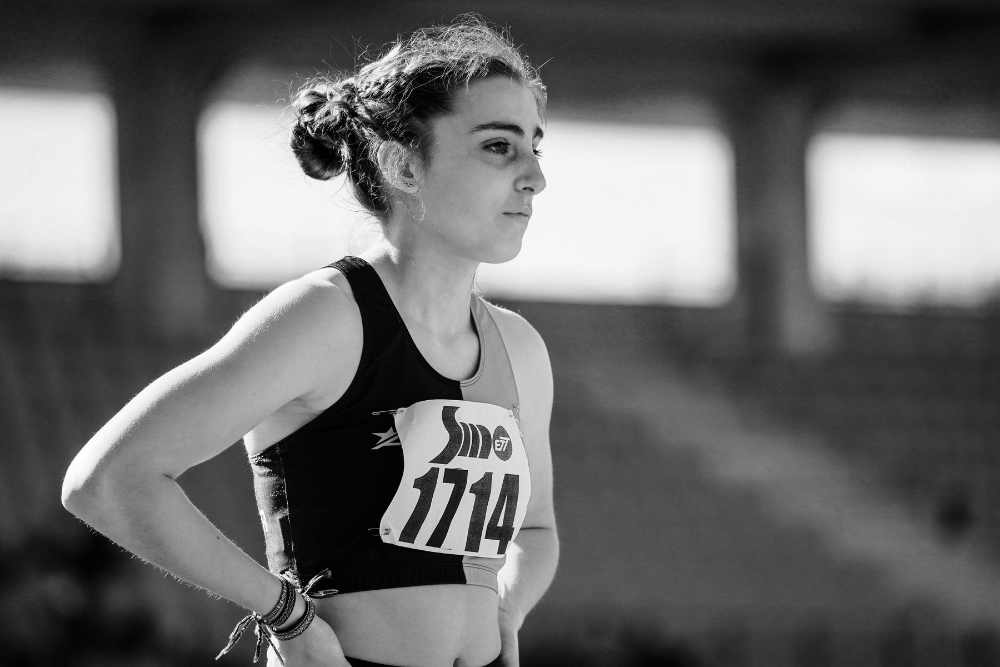
One afternoon when I was driving carpool, my daughter’s friend was telling us about how much she enjoys running cross country. She listed several things that make it her favorite sport—being outside in nature, running with friends, getting exercise—but one of those things was “and I don’t have my period during cross country season. It’s great!“
To which the other three girls in the car reacted with jealous comments that they might join cross country for that!
As an ob-gyn, I wanted nothing more than a giant red flag to wave around that car. I knew I had to chat with her mom and the cross country coach—and ultimately the entire team—about something called RED-S.
Here’s why.
Her Period Is Actually a Vital Sign
I get it. Periods can be inconvenient, messy, and sometimes uncomfortable. But it’s really important to understand that having a regular menstrual cycle is actually one of the best indicators that her body has enough energy to do all the amazing things it needs to do—including building strong bones, maintaining a strong immune system, and yes, performing well in sports.
When her period stops or becomes irregular during intense training, it’s not a perk. It’s her body waving a red flag that says, “Hey! I don’t have enough fuel to keep everything running!“
What Is RED-S?
RED-S stands for Relative Energy Deficiency in Sport. It’s what happens when athletes don’t eat enough calories to support both their training AND all the other things their bodies need energy for—like growing, thinking, healing, and having periods.
Think of it this way: The body is like a phone. If it’s constantly being used all day but only charged to 20%, eventually it’s going to shut down some functions to conserve battery. The body does the same thing when it doesn’t get enough “charge” (fuel in the form of calories). It starts shutting down things it considers “non-essential”—and unfortunately, the reproductive system is one of the first to be affected.
The Three Big Problems
When we first started recognizing this pattern in female athletes, we called it the “Female Athlete Triad” because it involved three interconnected problems:
- Not eating enough for activity level – Sometimes this is intentional (trying to stay lean for a sport), and sometimes it’s unintentional (just not realizing how much fuel she actually needs). Most active teen girls need at least 2,000-2,400 calories per day, and athletes need even more.
- Missing or irregular periods – When the body doesn’t have enough energy, it saves energy by shutting down the hormones that control the menstrual cycle.
- Weak bones – Those same hormones (especially estrogen) are also what help build strong bones. When estrogen levels are low and periods stop, girls are not building bone density during the exact years when they’re supposed to be. This means stress fractures now and possibly osteoporosis as early as young adulthood.
The Red Flags
How do you know if your daughter or someone you care about might have RED-S? Look for these warning signs:
- Missing periods or very irregular cycles
- Frequent injuries, especially stress fractures
- Always feeling tired or run-down
- Performance getting worse instead of better
- Getting sick a lot
- Overly focused on food, weight, or body composition
What to Do About It
The good news? RED-S is treatable. The main goal is to restore energy balance:
Increase calories. She might need to add 300-600 calories per day, with a focus on protein and carbohydrates. Working with a sports nutritionist is really helpful.
Possibly reduce training. Sometimes athletes need to dial back training by 10-20% temporarily to let the body recover.
Build bone health. Ensure she’s getting enough calcium (1,200 mg daily) and vitamin D (1,280-2,000 IU daily) through food and supplements.
Get her period back naturally. Once energy balance is restored, her period should return on its own within a few months. That’s how you know she’s getting better. (And no, birth control pills don’t fix this—they just mask the problem.)
Work with a team. The best treatment involves her doctor, a sports nutritionist, possibly a mental health counselor, her coach, and you—all working together.
Back to That Carpool Conversation
After that carpool ride, I did reach out to my daughter’s friend’s mom. We had a good conversation, and together we connected with the coach. The result? The whole cross country team got education about RED-S, several girls got evaluated by their doctors, and the team culture shifted to emphasize healthy fueling.
That runner? She’s doing great now, with regular periods and no stress fractures. And she still loves cross country—maybe even more, because now she has the energy to truly enjoy it.
If your daughter is an athlete who’s missing periods, please don’t brush it off. Her period isn’t just an inconvenience—it’s a vital sign. And when it goes missing, her body is trying to tell you something important.
Listen to it. Her future self will thank you.
Download the Girlology App in the app store or on google play.
Mom’s content is always FREE ❤️. Give her the gift of Girlology with our full-access subscription – annual or monthly options available!


Follow us on the ‘Gram:
Categories:

Her Changing Body
Her Mind + Moods
Sex + Relationships
Periods